
Dairy Barn Ventilation & Heat Stress Solutions
Your cows need clean air, steady airflow, and relief from heat stress to stay comfortable through the day. When a barn traps heat, humidity, stale air, or gases, cows feel it first.
At InBarn, dairy barn ventilation starts with the cow, not the fan count. We design around the building, the climate, the herd, and the way your farm runs, so airflow reaches the places where cows stand, eat, rest, and wait.
Ventilation Has to Reach the Cow
A barn can have fans and still have poor airflow where cows need it most. Air can move above the stalls while dead zones remain at cow level. Holding areas can heat up quickly. Feed alleys can feel different from resting areas.
Wide barns can behave very differently from narrow barns.
Our team looks at how air actually moves through your barn. Sidewalls, ridge openings, roof shape, fan spacing, barn width, stocking density, obstructions, cow groups, and local weather all affect the final ventilation plan.
- Stalls where cows need comfortable resting conditions
- Feed alleys where heat can reduce comfort during eating
- Crossovers where cows often pause or bunch
- Return lanes where air movement can be limited
- Holding areas where heat and humidity can build quickly
- Service zones where your team needs safe working conditions
When those areas are planned properly, the barn is better set up to manage heat, humidity, bedding moisture, stale air, and daily working conditions.
You don’t need a fan layout copied from another barn. You need a ventilation plan built for yours.
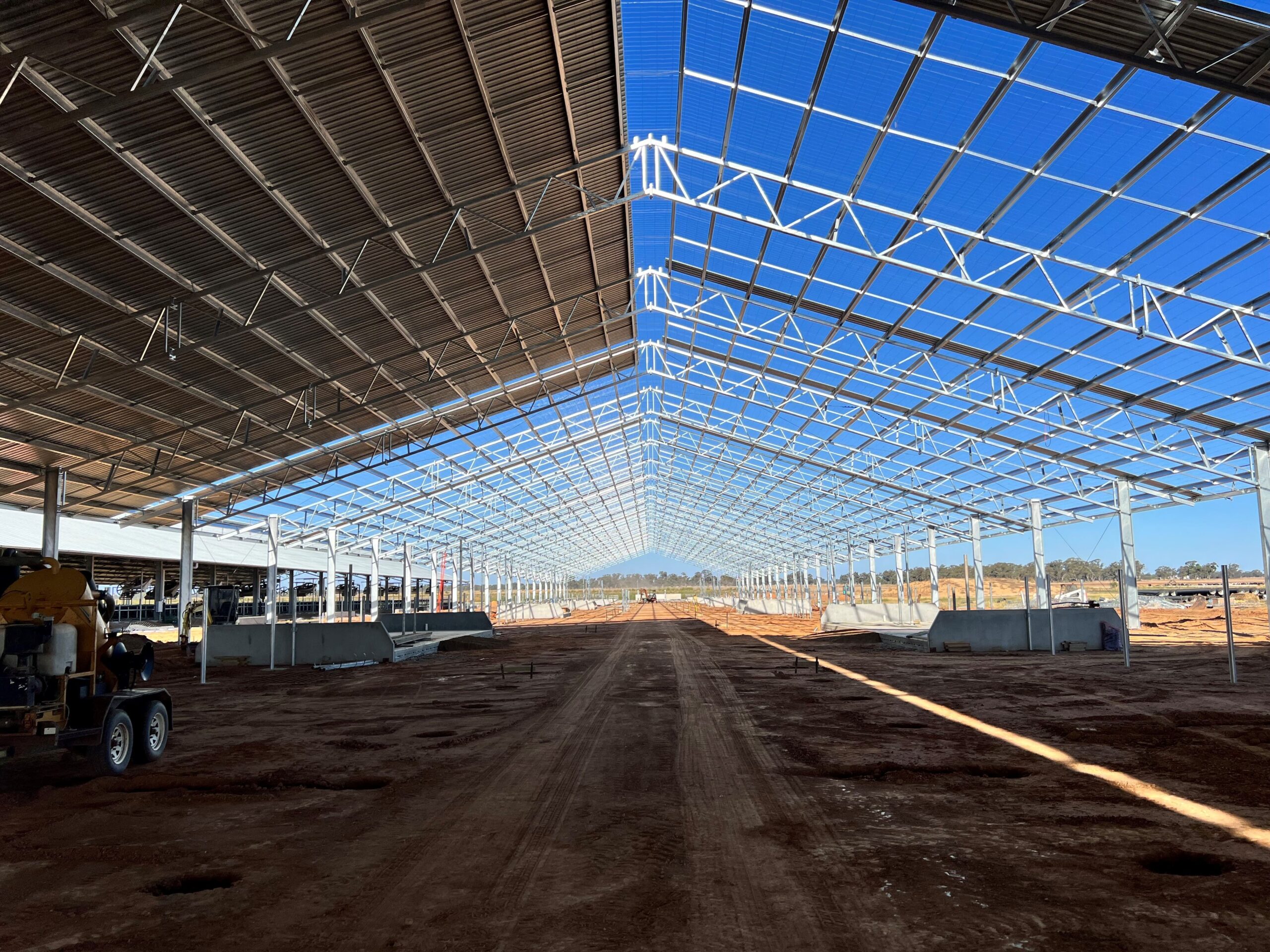
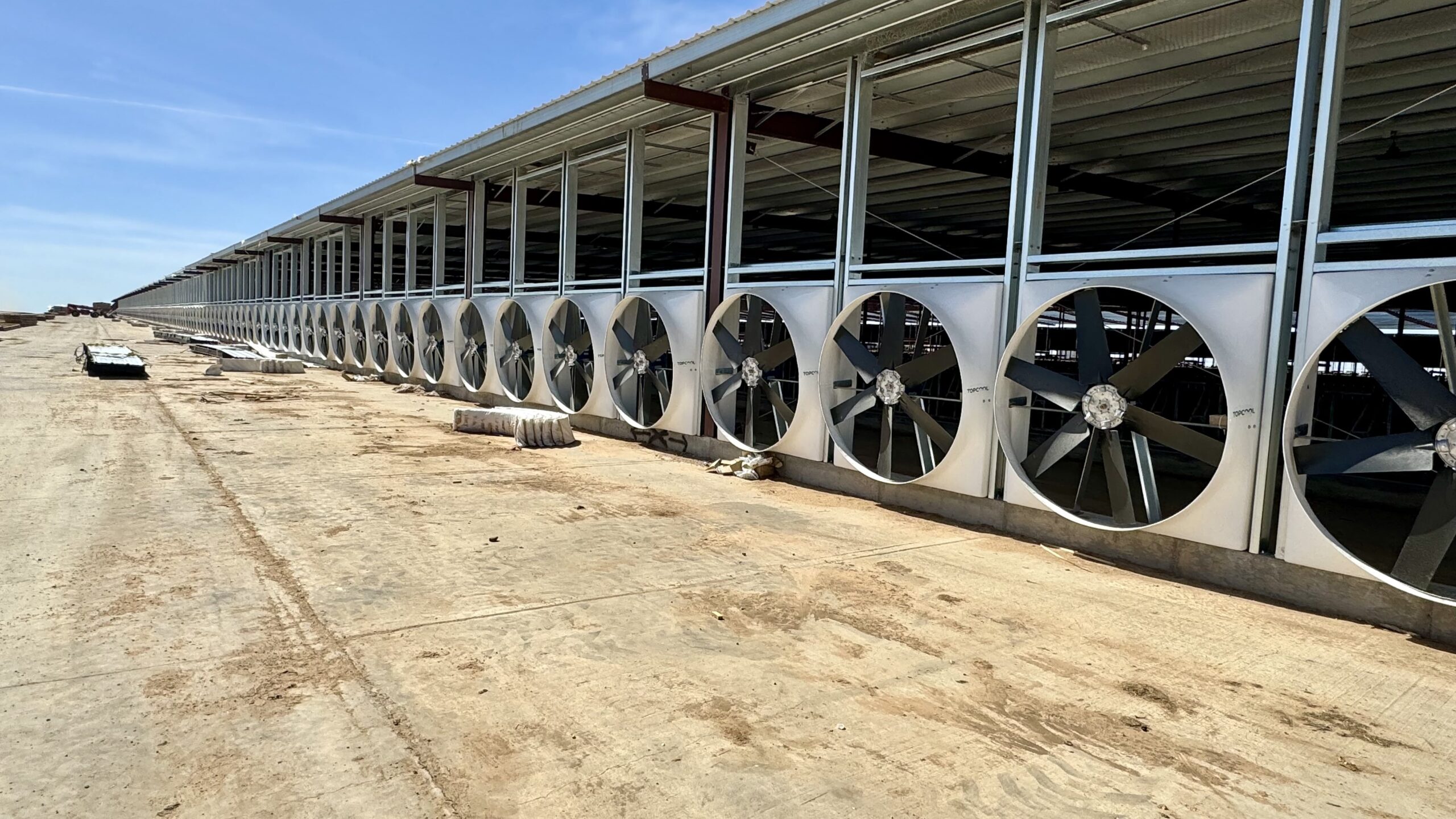
Heat Stress Solutions for Dairy Cows
Heat stress can start affecting cows before the signs are obvious. During warm or humid weather, cows may spend more time standing, eat less, bunch in certain areas, or show changes in resting behaviour.
We plan airflow and cooling around the places cows actually spend time. Stalls, feed alleys, crossovers, return lanes, and holding areas all need attention because heat pressure doesn’t affect every part of the barn the same way.
Depending on your barn and climate, heat stress planning may include:
- Circulation fans for steady cow-level air movement
- Cross-ventilation or tunnel ventilation where the barn layout supports it
- Holding area cooling for high-heat, high-density spaces
- Evaporative cooling where it fits the climate and management style
- Smart controls and EC motor barn fans to support efficient operation
- Sidewall, ridge, or curtain improvements to reduce trapped heat and stale air
The right system should be practical for your team to run, and it should match the seasons your farm actually faces.
Ventilation Design for Dairy Barns
Good ventilation design starts by understanding the building, including how fresh air enters, where stale air leaves, and how the system manages air exchange across different conditions. These factors shape the design before equipment is selected.
If the barn layout, openings, fans, and controls aren’t working together, the system can use more energy while still leaving cows uncomfortable.
Natural Ventilation Dairy Barns
Natural ventilation can be a strong option when the barn and site are suited for it. Sidewall height, ridge openings, building orientation, wind exposure, curtain systems, and nearby structures all influence how well it works.
We’ll help you confirm whether natural ventilation can support your cows through changing conditions. If the barn is too wide, too sheltered, or too restricted, you’ll know where mechanical support may be needed.
Mechanical Ventilation
Mechanical ventilation gives you more control when natural airflow isn’t enough. This can be especially helpful in wide barns, retrofit projects, high-density facilities, hot regions, or holding areas where heat builds quickly.
Your system may include circulation fans, exhaust ventilation, positive pressure ventilation, cross-ventilation, tunnel ventilation, smart controls, or Cyclone dairy fan options. We’ll match the system to the barn instead of forcing the barn to fit the equipment.
Hybrid Ventilation
Many farms need a mix of natural and mechanical ventilation. Natural airflow can support the barn in mild conditions, while fans and controls provide added help during heat, humidity, or low-wind periods.
A hybrid plan can give you flexibility without overcomplicating daily management.
Design the Barn Around Cow Movement and Daily Work
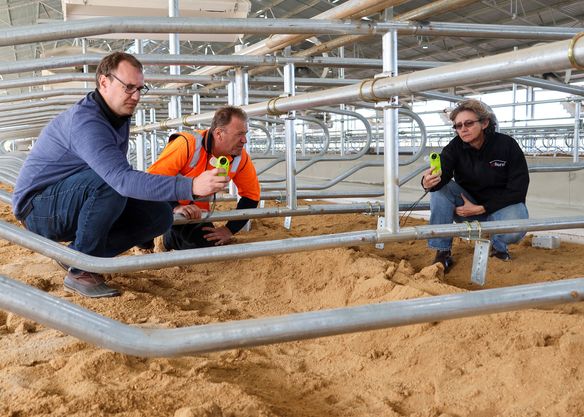
A practical barn layout starts with the routes cows and people use every day. We’ll look at resting, feeding, watering, cooling, milking, bedding, cleaning, and treatment work on your farm.
During the first call, you can walk us through your herd, milking system, site, climate, and future plans. We’ll ask where cows slow down, where staff lose time, and what you need the next barn to improve.
We’ll bring the conditions around the building into the design early. Orientation, regional weather, ventilation, drainage, equipment movement, and future expansion all affect the layout inside.
What We’ll Review During Barn Design
- Herd size, cow groups, stalls, resting areas, and cow movement
- Feed alleys, water access, crossovers, holding areas, and traffic routes
- Milking access, robotic milking needs, service areas, and staff routes
- Ventilation, natural light, climate control, drainage, and regional weather
- Bedding access, manure routes, equipment movement, and durable materials
- Future herd growth, barn phases, and changing space needs
We’ll compare layout choices against the work happening at key points in the day. A crossover affects traffic between stalls and feed, while holding space has to support milking access and staff movement.
We won’t add features simply because they are available. Each recommendation needs to support cow comfort, daily chores, your climate, or the next stage you’re planning.
Before the design moves ahead, we’ll review the layout with you and refine it around your feedback. You’ll have a barn plan that fits your herd now while leaving practical room for future changes.
Cow-Level Airflow Comes First
Cows need air where they stand, eat, and lie down. That’s why we focus on cow-level airflow instead of only looking at fan count or ceiling movement.
During a ventilation review, we look for practical signs. Are cows avoiding certain areas? Is humidity staying trapped? Is the holding area too warm? Are fans helping the natural airflow, or are they working against it? Are curtains and openings being used in a way that supports the system?
These details shape how comfortable the barn feels to the cow. They also shape how easy the system is for your team to manage.
Ventilation Upgrades for Existing Barns
You don’t always need a new barn to improve airflow. Many existing cow barns can perform better with targeted changes.
We can review fan layout, sidewall openings, ridge ventilation, curtain function, holding area cooling, airflow obstructions, control settings, and future expansion plans. Sometimes the best next step is a full ventilation redesign.
Sometimes it’s a focused upgrade in the areas causing the most pressure.
Before you invest, you’ll have a clearer view of what needs to change, what can stay, and which upgrades will make the biggest difference inside your actual barn.
Dairy Ventilation Services for Your Region
Your climate shapes your ventilation plan. Farms in British Columbia and the Fraser Valley often need careful planning around moisture, changing weather, and steady air exchange.
In Agassiz, Abbotsford, and Langley, barn orientation, wind exposure, and humidity can all influence the design.
In Ontario and Quebec, ventilation planning often needs to support summer cooling while still protecting cows from cold drafts during winter. In U.S. dairy regions, heat stress, humidity, dry heat, or large temperature swings may drive different airflow and cooling decisions.
Your ventilation system should make sense on calm humid mornings, hot afternoons, cold-weather air exchange days, and every season in between.
Energy Efficient Barn Ventilation
Energy efficient barn ventilation starts with good design. Efficient fans help, but they can’t fix poor placement, blocked air paths, or a system that runs harder than it needs to.
We look at fan size, spacing, motor technology, controls, barn zones, seasonal operation, maintenance access, and how the system will be used day to day.
EC motor barn fans and smart barn ventilation systems can help reduce unnecessary power use when they’re part of a well-planned design.
You should have a ventilation system that supports cow comfort without adding avoidable energy waste.
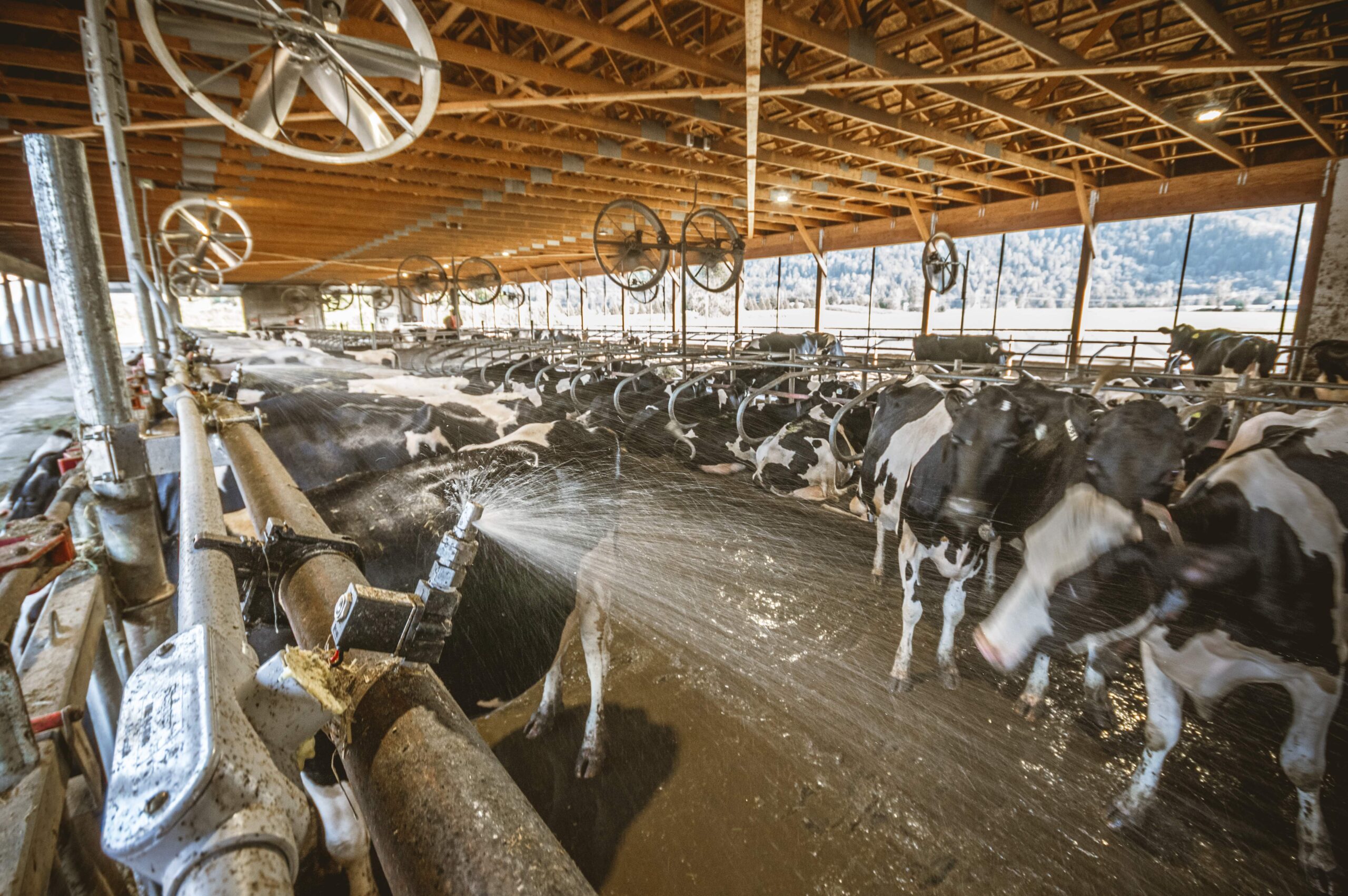
Commercial Dairy Barn Ventilation
Commercial dairy barn ventilation needs to be consistent, efficient, and manageable. Larger barns often have longer air paths, more cow groups, higher heat loads, and more complex equipment needs.
We plan airflow across the full facility, from resting areas and feed alleys to holding areas and service zones. Your team needs a system that’s clear to operate, easy to maintain, and ready to adapt as the barn changes.
Improve Airflow Before Heat Becomes a Bigger Problem
Your cows shouldn’t have to fight the barn environment. Better ventilation can make the barn more comfortable, easier to manage, and better prepared when heat and humidity start putting pressure on the herd.
Contact inBarn to discuss barn ventilation, heat stress solutions for dairy cows, commercial dairy barn ventilation, or airflow upgrades for your facility.
.svg.png)