At inBarn, we design dairy barn ventilation systems that make life better for both cows and farmers. Proper airflow is about more than cooling.
It supports cow comfort, air quality, and long-term barn performance, and reduces risk of heat stress.
Every ventilation design for dairy barns begins with understanding the unique needs of your herd and your facility.
Our team studies air movement, humidity, and barn layout to build energy efficient barn ventilation that reduces heat stress and maintains consistent airflow.
Whether you operate a traditional tie-stall barn or a large-scale robotic milking setup, inBarn’s custom solutions keep your herd comfortable and your energy costs manageable.
Start by telling us what changes in your barn when the weather shifts. We’ll ask how your cows deal with heat, humidity, winter drafts, or stale air.
We’ll put those observations beside your herd size, barn layout, local climate, and current ventilation setup. Planned renovations or herd growth belong in the conversation because they can change what the system needs to handle.
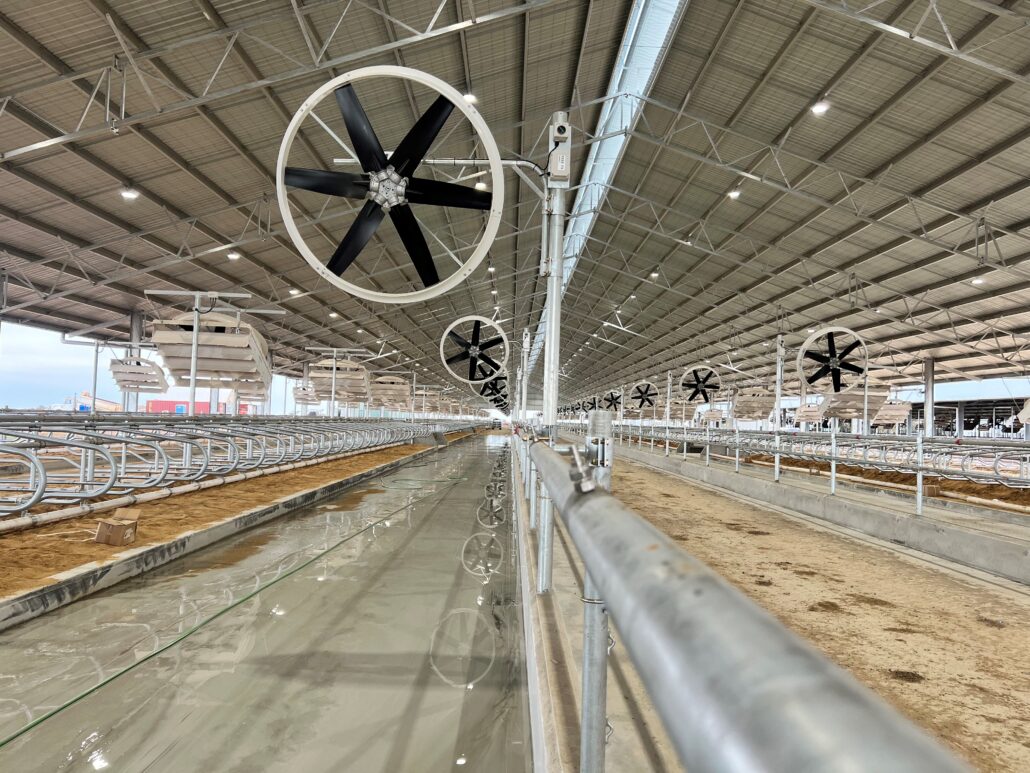
Then we’ll trace airflow at cow level in resting stalls, feed space, standing areas, and travel lanes. That shows where fresh air is reaching the herd and where conditions need attention.
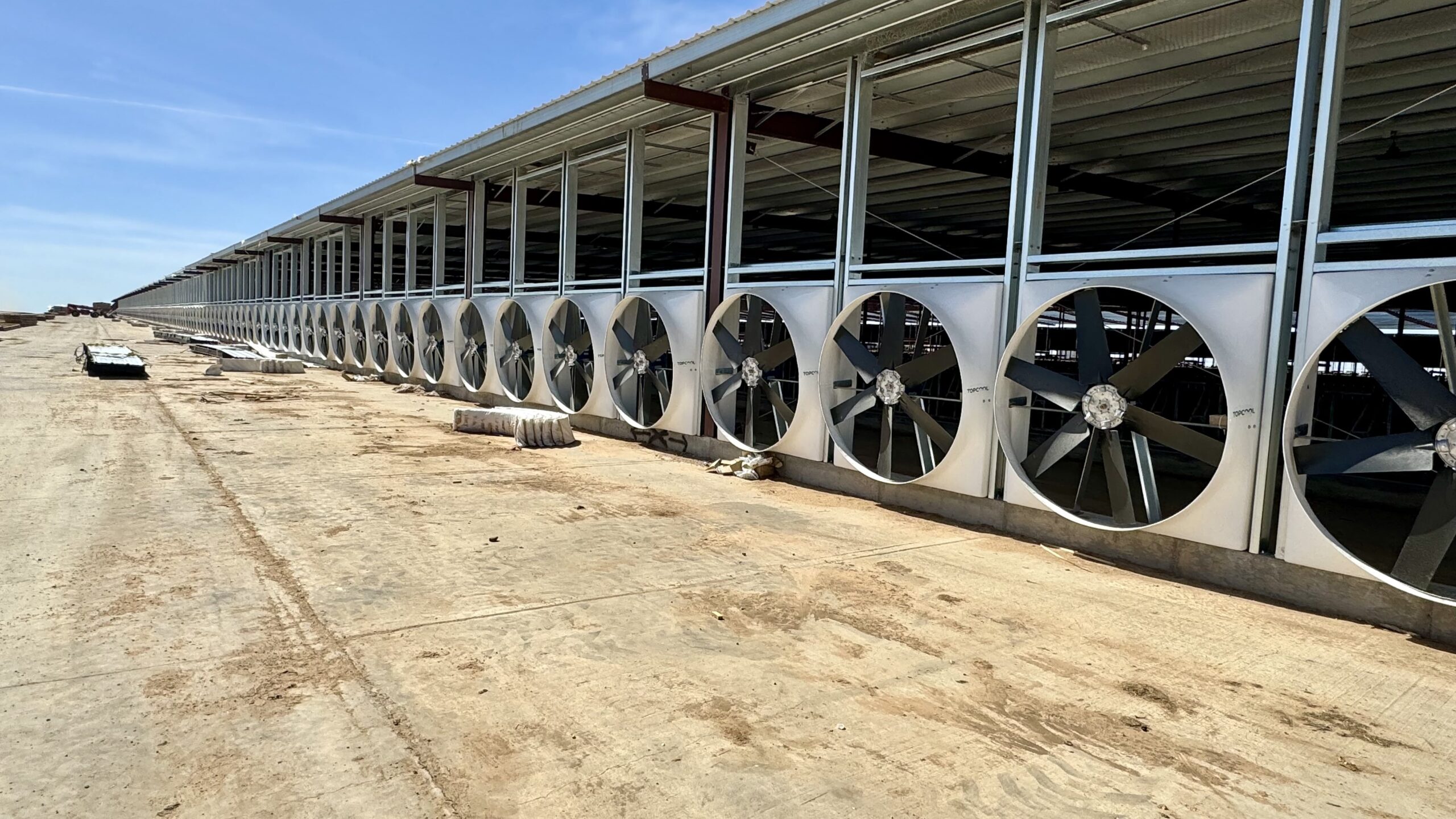
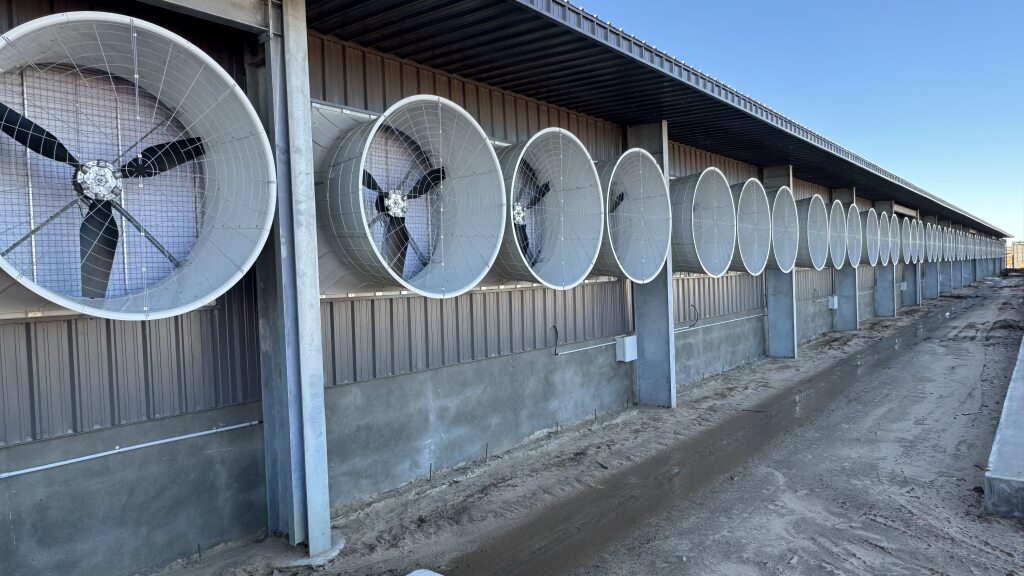
Natural ventilation and mechanical support need to work as one system. We’ll explain whether each recommendation is there for fresh air exchange, humidity control, heat-stress reduction, or lower operating costs.
Your plan can include stronger natural airflow, additional fan coverage, automated controls, or targeted cooling. We’ll show why each part belongs in your barn before you commit to the work.
Before anything is finalized, we’ll review the recommendations with you and make adjustments around your feedback. You’ll know what to address now and what can stay flexible for the next barn change.
We specialize in natural ventilation for dairy barns, supported by automated fans and control systems where needed.
This combination provides optimal conditions through all seasons, protecting against cold drafts in winter and removing excess heat in summer.
Natural ventilation optimized for maximum fresh air exchange.
Automated fans and controls regulate temperature and humidity.
Energy efficient systems lower operating costs while improving air quality.
Heat stress can lead to lower milk production, fertility issues, and other health challenges.
Our heat stress solutions for dairy cows combine precise fan placement, misting systems, and airflow modeling to keep barns cool and cows thriving even during peak summer temperatures.
Our team has decades of experience designing barn ventilation systems for the varied climates around the world.
We understand the local challenges of humidity, temperature changes, and barn design, and we engineer systems that perform in every condition.
inBarn approaches each ventilation project with the understanding that each barn is unique in its ventilation needs, and every climate poses unique challenges.
Dairy barn ventilation works best when it’s planned around what your cows experience every day. We’ll look at resting areas, feed space, holding areas, standing zones, and travel lanes to understand where fresh air is reaching the herd and where conditions may need attention.
We’ll also review what changes when the weather shifts. Heat, humidity, winter drafts, stale air, and seasonal temperature swings can all affect how the barn needs to ventilate. Your herd size, barn layout, current ventilation setup, and regional climate all belong in the same conversation.
If you’re planning a renovation, herd expansion, or facility change, we’ll include that too. A ventilation system should support the barn you’re operating now while leaving practical options for what comes next.
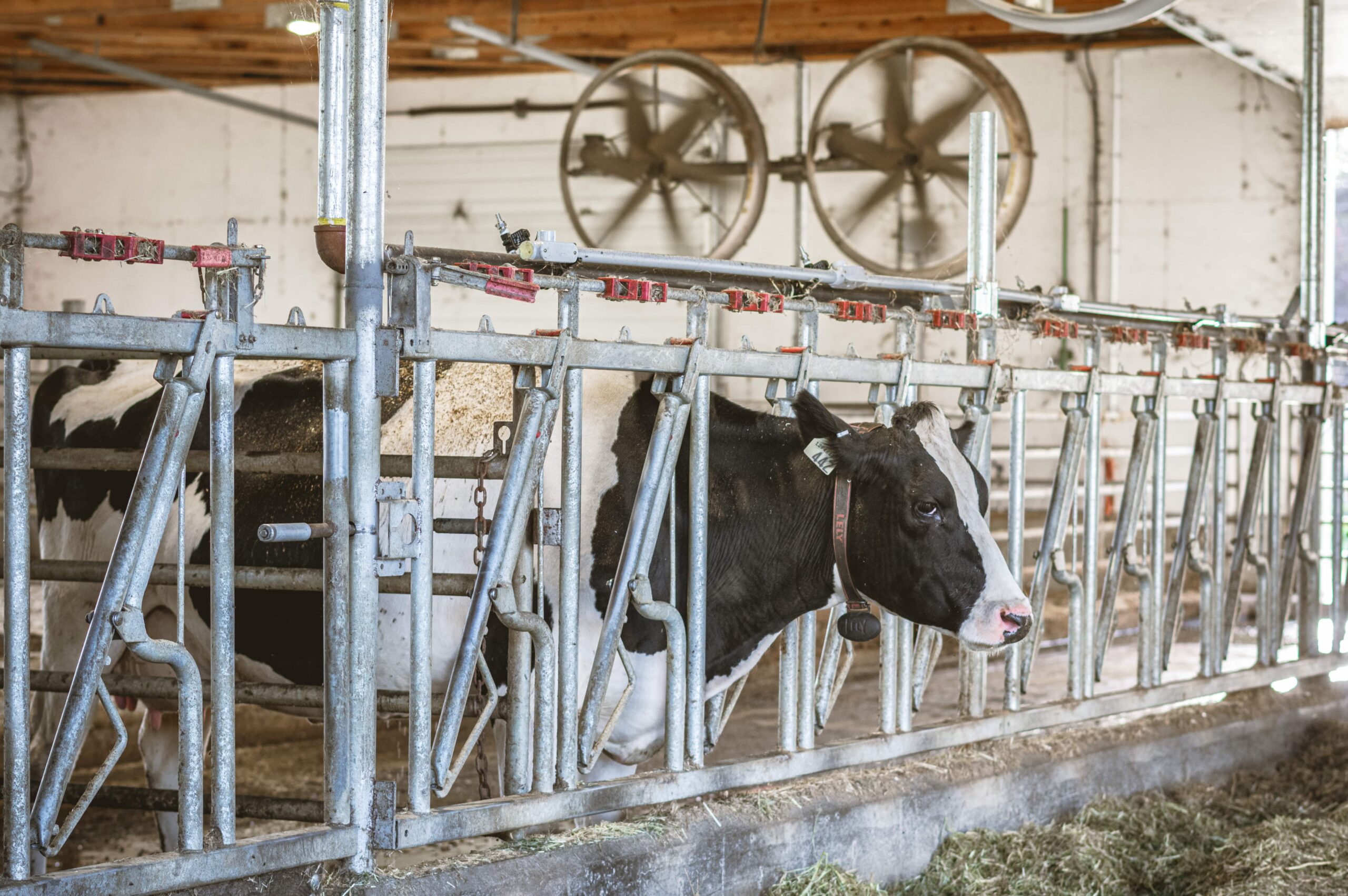
A barn can have plenty of open space and still have areas where cows aren’t getting the airflow they need. That’s why we’ll trace how air moves through the spaces your herd uses most.
We’ll look at the path fresh air takes as it enters the barn, how it moves through resting and feeding areas, and where walls, equipment, or layout features may change that path. This gives us a clearer picture of how the ventilation system is performing as a whole.
Cow-level airflow is especially important when you’re reviewing heat stress conditions. Fan coverage needs to support the areas where cows spend time, not simply move air through the upper part of the building.
Fresh air exchange and cow-level air movement serve different purposes, but both matter in dairy barn ventilation.
Fresh air exchange helps replace stale barn air and manage heat and humidity. Air movement at cow level helps support cow comfort in resting, feeding, standing, and holding areas.
We’ll review both parts together so one area of the system isn’t working against another. If we recommend changes to natural openings, fan placement, controls, or cooling equipment, we’ll explain what each change is intended to improve.
Your ventilation needs don’t stay the same all year.
During hotter and more humid conditions, the focus may shift toward stronger air movement and heat stress reduction. During colder weather, the barn still needs fresh air exchange, but the system also needs to account for drafts and changing seasonal conditions.
Spring and fall can bring their own challenges because conditions can change quickly. That’s where automated controls and a coordinated ventilation plan can help the system respond more consistently.
Heat stress is an important part of dairy barn ventilation planning. We’ll review where cows may need more cooling support and how the existing barn layout affects air movement through those areas.
Depending on the barn, that may involve stronger natural airflow, additional fan coverage, automated controls, targeted cooling, or a combination of those tools.
We’ll also look at how holding areas, feed space, resting stalls, and travel areas fit into the plan. Heat stress management works best when it considers the full barn rather than one location.
Cold weather doesn’t eliminate the need for ventilation.
We’ll review how fresh air enters and leaves the barn during winter conditions, along with how sidewall openings, ridge design, and existing ventilation equipment are being used.
The goal is to support fresh air exchange while avoiding unnecessary drafts around the herd. Your regional climate, barn layout, and existing system all affect what that balance should look like.
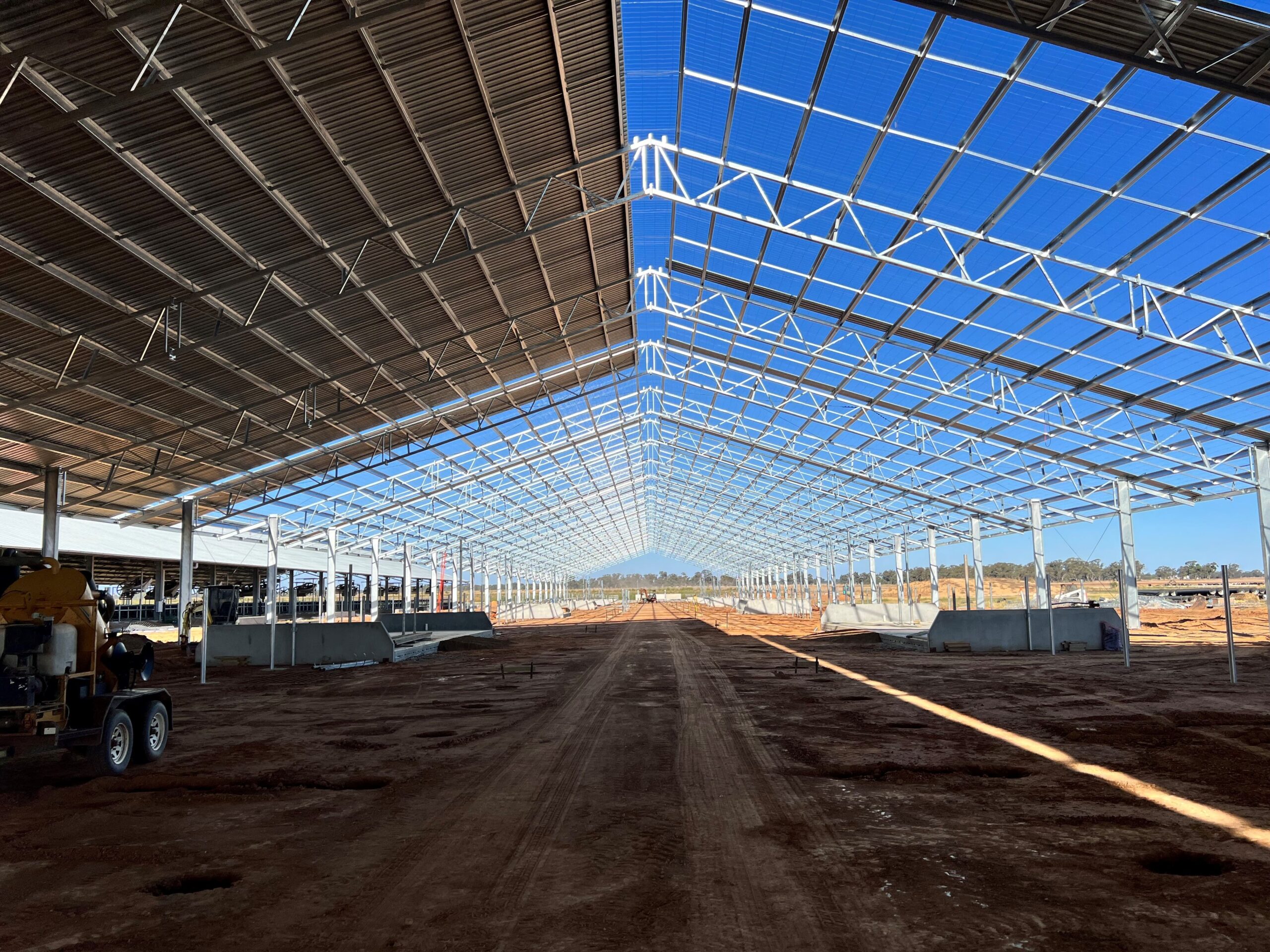
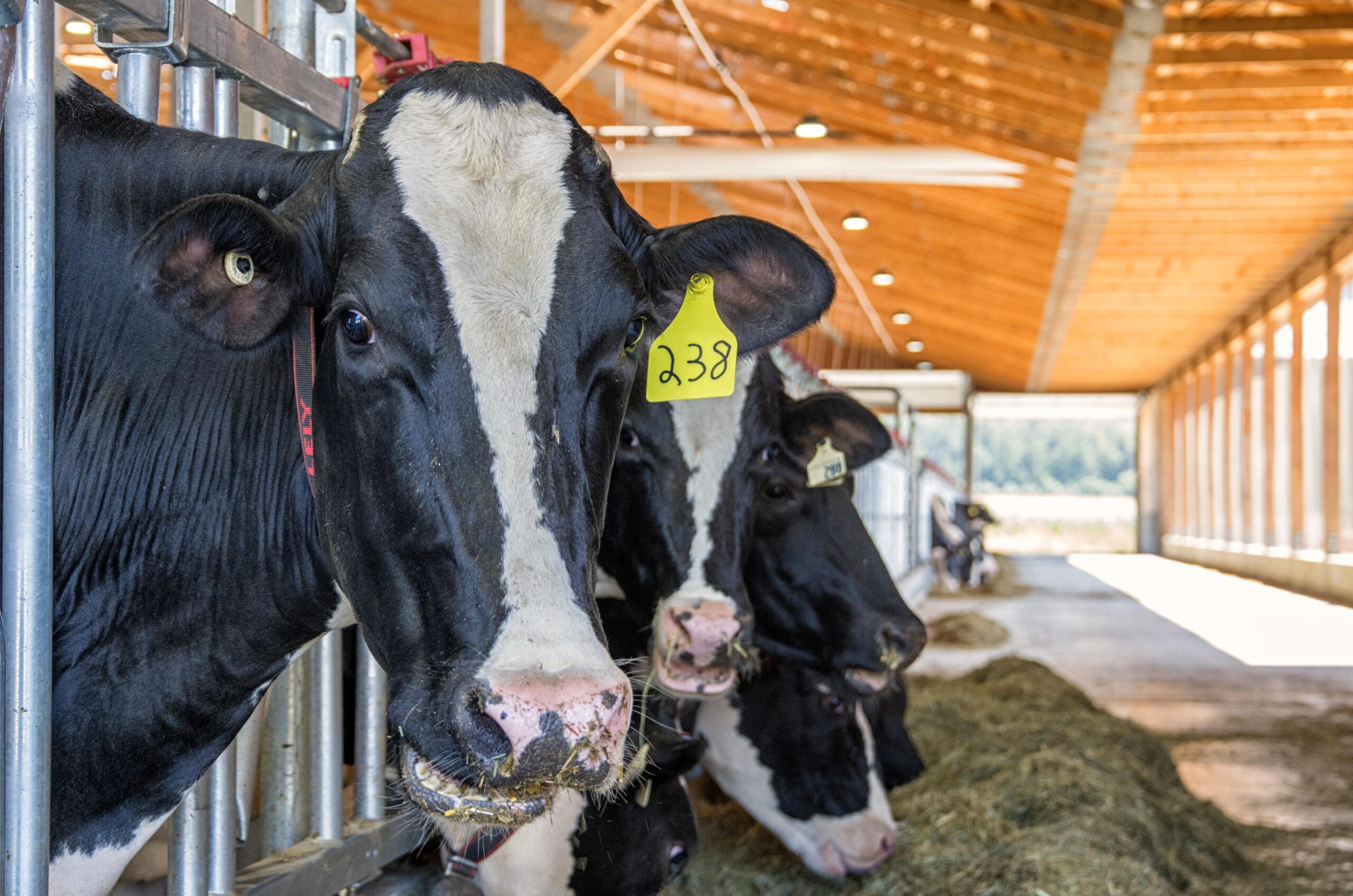
Natural and mechanical ventilation don’t need to be treated as separate systems.
Natural ventilation can use sidewall openings, ridge design, and regional weather conditions to support airflow. Mechanical ventilation can provide additional control where natural airflow alone isn’t enough.
We’ll review how those systems work together in your barn before recommending changes.
Airflow can be difficult to judge from one spot in the barn.
Airflow modelling gives us another way to review how air is expected to move through the building and where layout, equipment, openings, or fan coverage may affect performance.
We’ll use that information alongside what you’re seeing in the barn. Your observations about heat, humidity, drafts, or stale air help us connect the technical side of ventilation planning with real conditions on the farm.
The goal isn’t to make the process more complicated. It’s to give you a clearer reason behind the recommendations.
Ventilation needs to support cow comfort, but it also needs to make sense for the farm over the long term.
We’ll review energy use alongside airflow requirements and operating conditions. Where appropriate, energy-efficient systems, automated controls, and EC motor technology can help support a more responsive ventilation strategy.
inBarn also brings in-house manufacturing and ventilation experience into the planning process, including Cyclone fan technology and smart ventilation components where they fit the application.
We won’t recommend technology simply because it’s available. Each component needs to support airflow, cow comfort, energy efficiency, or the future needs of your barn.
A barn change can change the ventilation plan.
More cows, a different layout, an addition, new equipment, or a change in how the building is used can all affect airflow needs.
We’ll include those future plans early so today’s decisions don’t unnecessarily limit tomorrow’s options.
You may not need to install every future component now. We can help you understand what needs attention today and what should stay flexible for the next phase of the farm.
Dairy barn ventilation is the planning and movement of fresh air through a dairy facility to support cow comfort, air quality, and seasonal barn conditions.
A complete ventilation plan can include natural airflow, mechanical ventilation, fan placement, automated controls, heat stress tools, and airflow modelling depending on the barn and climate.
We start with your herd, barn layout, regional climate, existing ventilation setup, and the conditions you’re seeing inside the barn.
From there, we review airflow at cow level, natural ventilation features, fan coverage, controls, heat stress needs, and future facility plans before making recommendations.
Cow-level airflow helps us understand what cows are actually experiencing in resting, feeding, standing, and travel areas.
A ventilation system needs to do more than move air through the building. It needs to support the spaces where the herd spends its time.
Natural ventilation uses barn openings, ridge design, and outside conditions to help move air through the building.
Mechanical ventilation uses fans, controls, and other equipment to support or increase airflow. Many dairy barns can benefit from using the two approaches together.
Ventilation planning can support heat stress reduction by improving air movement in the areas where cows rest, feed, stand, and wait.
The right approach depends on the barn layout, local climate, existing ventilation system, and where additional cooling support is needed.
Yes. Winter ventilation still needs to support fresh air exchange and changing barn conditions.
The system should also account for drafts, regional weather, and the way fresh air enters and leaves the barn during colder periods.
Yes. Winter ventilation still needs to support fresh air exchange and changing barn conditions.
The system should also account for drafts, regional weather, and the way fresh air enters and leaves the barn during colder periods.
It’s worth reviewing the system when you’re seeing concerns with heat, humidity, winter drafts, stale air, or inconsistent airflow.
You should also review ventilation before herd growth, barn renovations, additions, or other facility changes that may affect how air moves through the building.

.svg.png)