
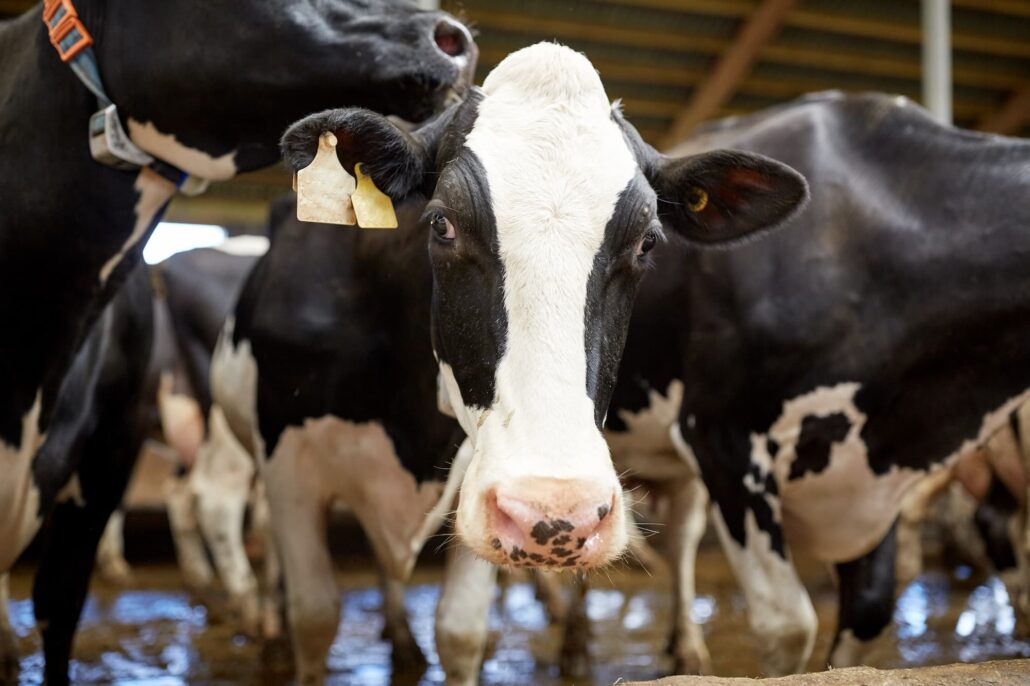
Automated Cow Cooling Starts With The Barn
Automated cow cooling can help a dairy barn respond more consistently to temperature, humidity, and ventilation needs, but the controls are only one part of the system.
We start with the barn. We look at where cows stand, eat, rest, wait, and move. We review how fresh air enters, where stale air leaves, how humidity behaves, and which areas need more attention during warm or humid conditions. If those details are not clear, it is too early to decide what the automation should do.
That is why our dairy barn ventilation and heat stress solutions begin with the cow and the building. Your system needs to fit the climate, the herd, the barn layout, and the way your farm runs.
Automated fans and controls can help regulate temperature and humidity when they are built into a clear ventilation plan. Fan type, spacing, control settings, openings, cow areas, and seasonal needs all affect how the system should operate.
What Is Automated Cow Cooling?
Automated cow cooling uses fans, controls, and ventilation equipment to help manage airflow, temperature, humidity, and cow comfort in the barn. Depending on the building, that can include automated fans, smart controls, EC motor barn fans, natural ventilation support, mechanical ventilation, and cooling systems planned around cow areas.
The important part is how those pieces support the ventilation design.
Our ventilation design work studies air movement, humidity, and barn layout to build energy-efficient barn ventilation that reduces heat stress and maintains consistent airflow. We also design natural ventilation systems supported by automated fans and control systems where needed.
That balance matters because every barn moves air differently. Natural ventilation, fan placement, mechanical support, and control settings need to work toward the same airflow plan.
Why The Barn Review Comes Before Equipment
It is easy to start with equipment questions. Which fan? Which motor? Which control? Which cooling setup?
Those questions matter, but they should come after the barn review.
A strong plan looks at the building first. Sidewalls, ridge openings, roof shape, barn width, fan spacing, stocking density, obstructions, cow groups, and local weather all affect the final ventilation plan. The same equipment can serve different roles depending on the barn layout and airflow need.
That’s why we don’t treat automated cow cooling like a one-size setup. If air movement is uneven, humidity is trapped, or cow areas need more airflow, those conditions need to be reviewed before equipment decisions are finalized.
The system needs to manage real barn conditions: temperature, humidity, air movement, cow areas, openings, and the way your team uses the facility.
Where Automated Cooling Needs To Work
Automated cooling should be planned around the areas cows use through the day.
Stalls, feed alleys, crossovers, return lanes, and holding areas can all be part of the ventilation conversation. We review how each area is supported by the airflow plan, fan placement, openings, and controls.
A control system can help equipment respond, but physical airflow still has to reach the right places. Fan placement, airflow paths, building openings, and barn layout all affect whether the system can support the cow areas it is meant to help.
That is why we review the barn as a full environment. Automated cooling is not only about turning fans on and off. It is about connecting the equipment to the way air moves through the barn.
How Automated Fans And Controls Fit Together
Fans move air. Controls help guide how and when that equipment operates.
The details depend on the facility, but these are the main planning areas we look at when automated cooling is being considered:
| Planning Area | What We Review | Why It Matters |
| Cow areas | Stalls, feed alleys, crossovers, return lanes, holding areas | Cooling should support the spaces cows use every day |
| Air movement | Air exchange, air speed, airflow paths | The system needs fresh air movement and useful air speed |
| Fan placement | Height, spacing, direction, and purpose | Fans need to support the barn zones they are serving |
| Controls | Temperature, humidity, zones, timing | Automation should match daily and seasonal needs |
| Barn design | Sidewalls, ridge openings, curtains, roof shape | The building affects what the equipment can do |
| Future plans | Expansion, upgrades, herd flow, long-term use | Cooling decisions should fit where the farm is going |
This gives the automation a clearer role. Instead of treating controls as a separate decision, we connect them to the barn, the fans, and the areas where cows need support.
Where EC Motors Fit Into Automated Cooling
EC motors are an important part of many modern dairy ventilation conversations.
In our blog on why an EC motor, we explain that electronically commutated motors are a strong choice for dairy ventilation fans because their efficiency, longevity, and precise control support cow comfort, productivity, and overall farm performance.
EC motors can respond quickly to changes in demand, allowing fan speed and airflow to be adjusted based on temperature, humidity, and cow comfort. That kind of control fits well with automated cooling because the fan is not limited to one operating speed.
Efficiency is another important piece. Our EC motor content explains that EC motors consume less energy than standard AC motors and can help reduce energy consumption, operating costs, and maintenance needs. They also produce less heat during operation, which contributes to a cooler barn environment.
EC motors are not the whole plan, but they can be useful when the fan layout, controls, and ventilation strategy are designed together.
What About Existing Barns?
Automated cooling is often discussed during new barn planning, but existing barns can also be reviewed for ventilation improvements.
That review should stay practical. We look at the fan layout, sidewall openings, ridge ventilation, curtain function, airflow obstructions, control settings, cow areas, and future farm plans. From there, we can see where automated fans, controls, EC motors, or other ventilation changes make sense.
When we work through farm planning, we look at custom site planning, layout, workflow, herd needs, and long-term success. Cooling decisions should fit that bigger picture. If your farm is preparing for growth, changing how cows move through the barn, or updating an existing facility, ventilation should be reviewed before equipment choices get too far ahead.
For new or expanding barns, dairy barn expansion planning gives us a chance to connect ventilation with layout, cow comfort, workflow, and long-term planning earlier in the process.
How To Review Automated Cooling Before You Add Equipment
Before adding automated cooling, we like to review the barn as a full system. That helps ensure the equipment supports the ventilation plan instead of becoming a separate add-on.
1. Start With Cow Comfort Areas
Look at the spaces cows use through the day. Stalls, feed alleys, crossovers, return lanes, and holding areas should guide the cooling conversation.
2. Review Air Exchange And Air Speed
Air exchange helps replace stale air with fresh air. Air speed helps move air inside the barn where cows feel it. Automated cooling should support both where needed.
3. Check The Building Openings
Sidewalls, ridge openings, curtains, roof shape, and nearby obstructions all affect airflow. Controls can’t solve every issue if the building is limiting air movement.
4. Match Fans To Their Role
Circulation fans, exhaust ventilation, positive pressure ventilation, cross-ventilation, tunnel ventilation, and Cyclone dairy fan options can all have different roles. The right choice depends on the barn.
5. Review Controls Before Heat And Humidity Increase
Control settings should make sense before warm or humid conditions put more pressure on the barn. That includes zones, timing, temperature, humidity, and how the system will be managed day to day.
6. Connect Cooling To Future Farm Decisions
If your barn could expand, change cow groups, or add new technology later, the cooling system should not be planned in isolation. It should fit your long-term barn planning.
Short Glossary: Automated Cow Cooling Terms
Automated Fans
Fans that operate through a control system instead of only being turned on or off manually.
Smart Controls
Controls that help ventilation equipment respond to temperature, humidity, zones, and operating needs.
EC Motor
An electronically commutated motor used in ventilation fans. EC motors support efficiency, precise control, and reduced energy consumption.
Air Exchange
Fresh air replacing stale air inside the barn.
Air Speed
Air movement inside the barn. For cow cooling, air speed needs to reach the areas cows use.
Hybrid Ventilation
A ventilation plan that uses natural airflow with mechanical support from fans and controls where needed.
Heat Stress Planning
Planning around airflow, humidity, cooling, fan placement, misting systems, controls, and barn layout.
Cow-Level Airflow
Air movement that reaches the spaces where cows stand, eat, rest, and wait.
Frequently Asked Questions About Automated Cow Cooling
What Is Automated Cow Cooling?
Automated cow cooling uses fans, controls, and ventilation equipment to help manage barn temperature, humidity, airflow, and cow comfort with more consistency. It still needs to be designed around the barn layout and cow areas.
Do Automated Fans Replace Ventilation Design?
No. Automated fans and controls support the ventilation design. They still need the right fan placement, airflow paths, barn openings, and control settings behind them.
Are EC Motors Useful For Automated Cow Cooling?
Yes. EC motors offer efficiency, longevity, and precise control. They can respond to changes in demand and adjust fan speed and airflow based on temperature, humidity, and cow comfort.
Can Automated Cooling Be Reviewed For An Existing Barn?
Yes. An existing barn can be reviewed for ventilation improvements, including fan layout, openings, curtains, control settings, cow areas, and airflow paths. The right changes depend on the barn.
Should Automated Cooling Be Planned Before Expansion?
Yes. If you are expanding or upgrading, cooling should be part of the planning conversation. Ventilation decisions can affect barn layout, cow comfort, workflow, controls, and long-term farm planning.
Build Automated Cooling Around The Whole Barn
Automated cow cooling works best when the system is planned around the cows, the building, and the way your farm operates. Fans, controls, EC motors, openings, airflow paths, and cow areas all shape the final plan.
We design ventilation and heat stress solutions around the full barn environment. That means we look at airflow, humidity, cow comfort, energy-efficient systems, and the practical needs of your team. The system should match the facility, support daily management, and fit long-term barn planning.
If you are planning a new barn, upgrading ventilation, or reviewing automated cooling before warm or humid conditions put more pressure on your barn, contact inBarn and we can talk through the system that fits your facility.
.svg.png)