At inBarn, we understand that planning a dairy farm for today & for future expansion is a crucial investment. That’s why we offer expert guidance and support in designing a custom site plan that takes into consideration all the necessary factors to ensure long-term success.
Discover how we plan dairy farms by carefully evaluating every key factor to help you operate efficiently today and grow confidently into the future.
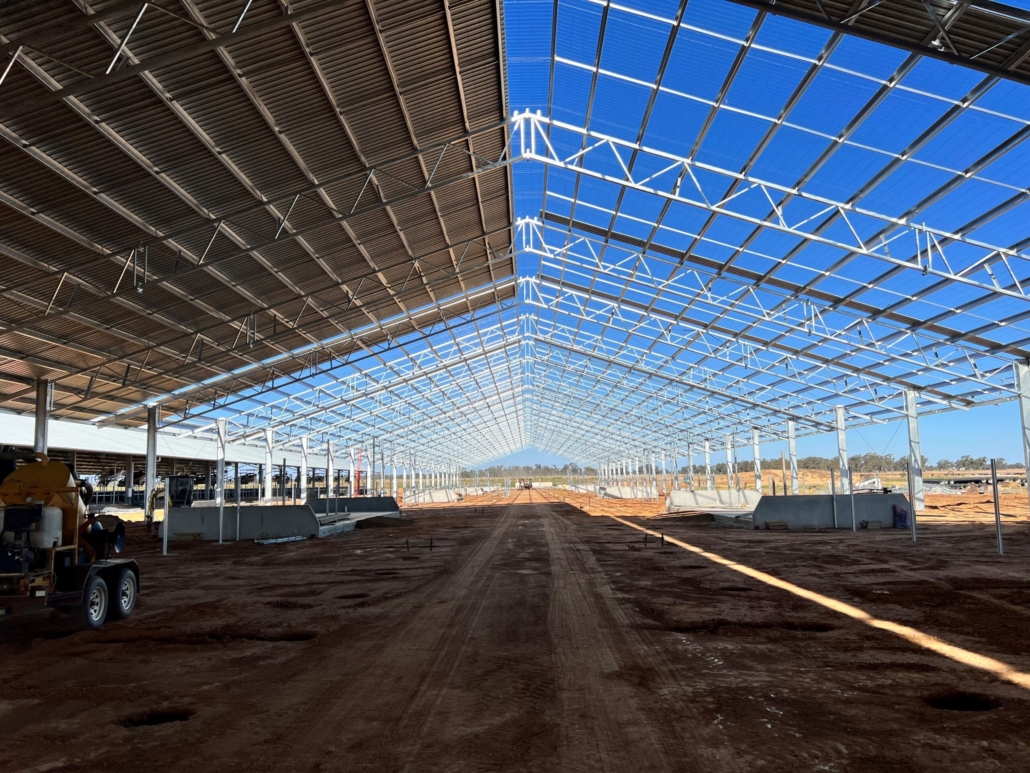
One of the most important factors to consider when planning a dairy farm is future expansion. We take into account your goals for both today and tomorrow to ensure you have a plan for tomorrow with your budget today. Our team of engineers has extensive experience in developing site plans that ensure you can expand without any significant disruptions to your operation.
At inBarn, we believe that careful & informed planning is the key to long-term success in the dairy industry. Our team has the expertise and experience to design a custom site plan that will take your business into the future of dairy farming. Contact us today to learn more about how we can help you plan your dairy farm for a successful future.
We can help you solve your heard health issues, or create a plan that will help ensure the health of your animals doesn’t affect the operation of your farm.
We can design a plan to optimize your barn space by creating a workflow for your animals and your people.
Our team can analyze your operation to find ways to increase profitability and help minimize costly mistakes in your processes.
We create plans to help you grow into the future. We will provide a plan for the growth of your business including the steps you need to take today, and in the next one to five years to meet your goals.
Dairy farm planning helps you organize the full site before major design or construction decisions are made. It connects barn layout, cow flow, feed storage, manure systems, ventilation, utilities, roads, drainage, and future expansion.
A strong plan gives cows clearer routes, keeps feed and equipment movement from fighting each other, and leaves future buildings somewhere practical to go.
Farm planning helps you avoid layout problems that can be costly or frustrating later. Once buildings, roads, utilities, or manure systems are placed, your options can become limited.
Before construction starts, we think through cow movement, feed routes, manure flow, equipment access, airflow, drainage, and future growth with you. That gives your project a clearer path from design to build.
Dairy farm site planning should include barn locations, driveway access, feed delivery routes, manure handling, drainage, utilities, milkhouse access, staff movement, equipment storage, ventilation exposure, and future expansion areas.
Your site plan should support the farm you run today while leaving space for the farm you’re building toward.
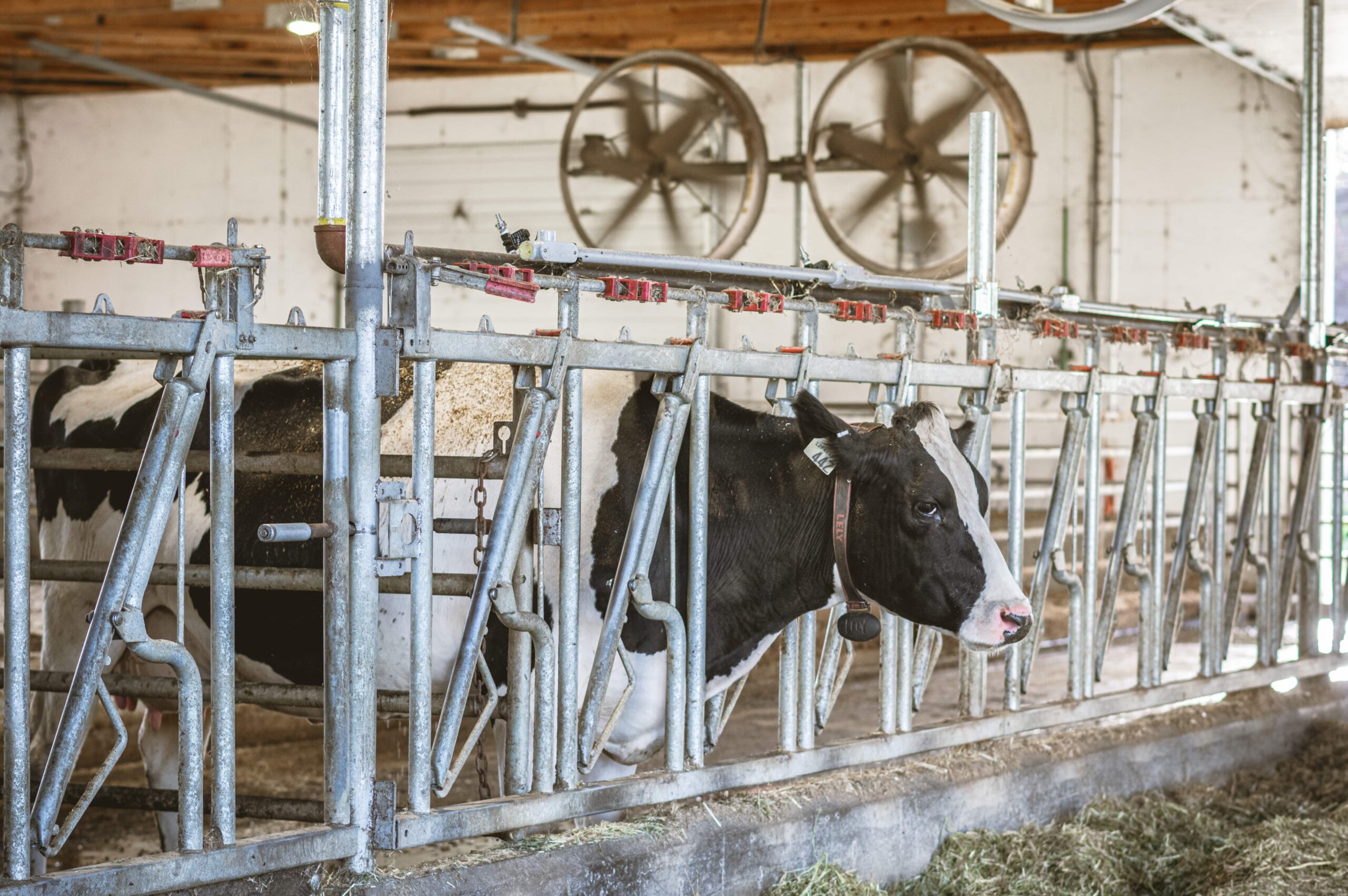
Farm planning affects cow comfort through barn placement, walking distances, pen layout, feed access, water access, ventilation, lighting, holding areas, and traffic flow.
When the site is planned well, cows can move more naturally and spend more time eating and resting. Your team can also manage the barn with fewer extra steps and fewer layout frustrations.
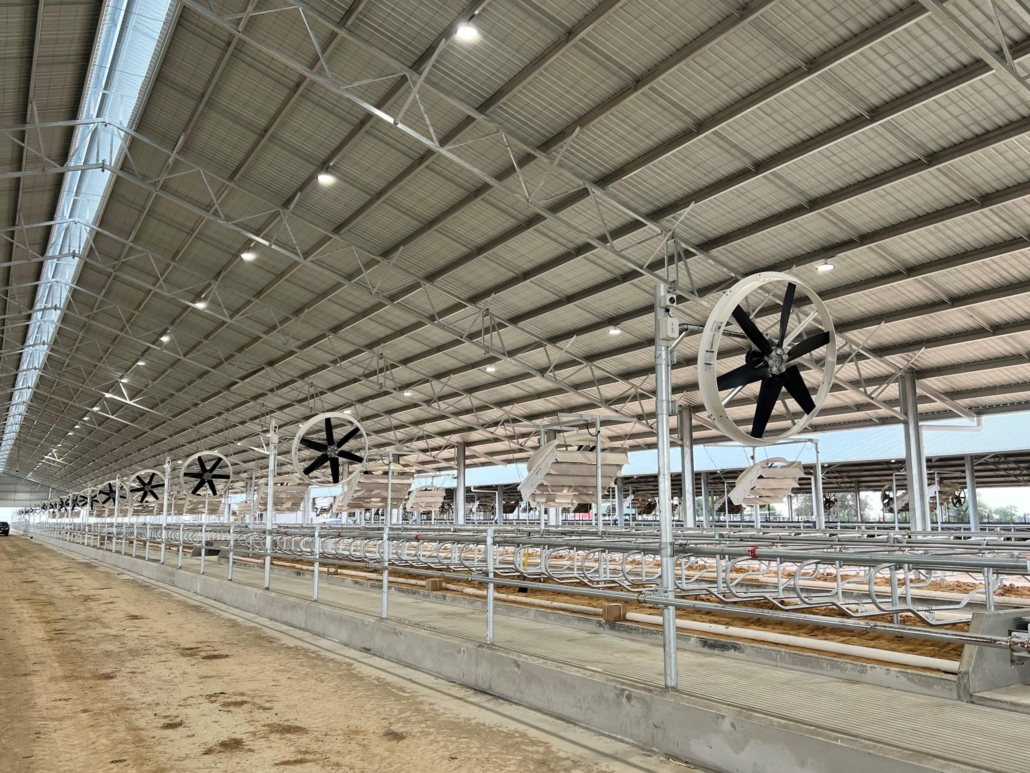
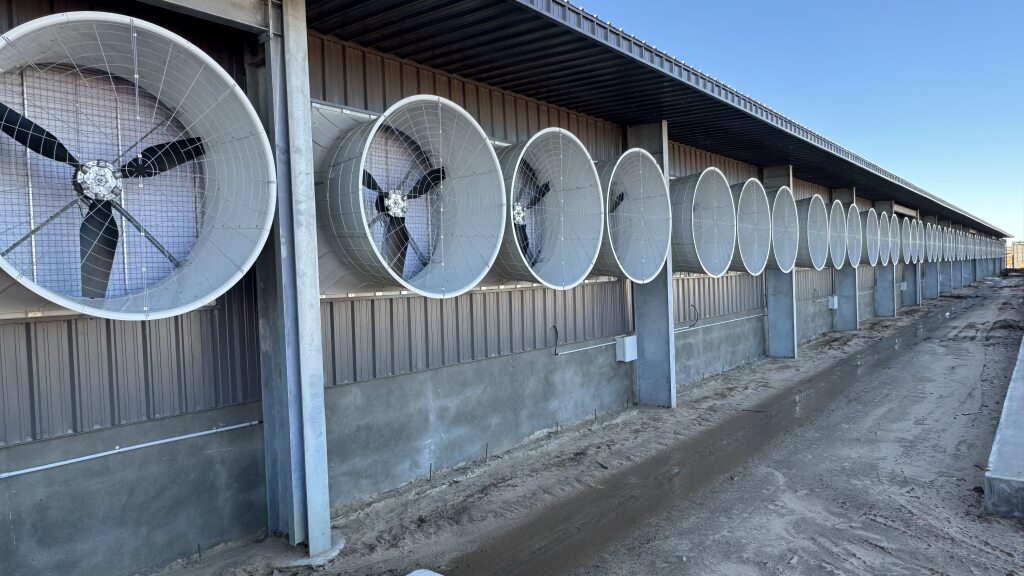
Ventilation starts with the site. Barn orientation, wind exposure, nearby buildings, sidewall openings, ridge design, and fan systems all affect how air moves.
If ventilation is considered too late, the barn may be harder to cool, harder to ventilate in winter, or more expensive to correct. Planning airflow early gives your barn a better foundation for fresh air, heat stress reduction, and seasonal comfort.
You should look beyond the next build whenever you can. Dairy barn expansion planning should consider future cow numbers, milking technology, feed storage, manure handling, ventilation capacity, utilities, truck access, and construction phasing.
You don’t need to build every future phase now. You do need a plan that keeps those options open.
Yes. Robotic milking affects cow traffic, pen layout, feed placement, fetch routines, labour flow, and building design.
Robotic milking barn design works best as part of the full farm system. The robot location(s), cow flow, holding areas, sort space, and service access all need to work together.
Before expanding, review your current bottlenecks, cow flow, ventilation, feed access, manure handling, labour efficiency, equipment movement, utilities, and available land.
You’ll also want to understand how a new space connects to the existing barn. A good expansion should reduce pressure on the farm, not move the problem somewhere else.
Yes. Sustainable dairy barn design can include efficient ventilation, smart controls, durable materials, natural lighting, good drainage, practical traffic flow, and future-ready layouts.
Sustainable choices should work during real chores, real weather, and real herd changes. That means choosing improvements that support cow comfort, ventilation, durability, and operating costs without making the barn harder to manage.
Yes. Regional conditions can shape the full plan, from barn orientation and drainage to ventilation and heat stress control.
Farms across the United States face very different ventilation and barn environment challenges depending on their region. Operations in the Southeast and Gulf Coast may need to prioritize humidity control, airflow, and heat stress management, while farms in the Midwest and Northeast often balance cold-weather ventilation with summer cooling demands. In the western U.S. and Pacific Northwest, moisture management, site drainage, and consistent airflow can be especially important.
Across Canada, including regions such as Ontario, Quebec, and British Columbia’s Fraser Valley, producers often manage a similar mix of cold winters, seasonal humidity, and summer heat.
Your farm plan should respond to your region, your barn style, and your site, rather than forcing a one-size layout onto the farm.
Yes. If you’re planning barn construction near you, we can help with site planning, barn layout, ventilation design, cow comfort planning, and construction coordination.
We work with your project team so airflow, equipment, cow movement, and daily workflow are considered before the build moves too far ahead.

.svg.png)